Planning a trip to Southeast Asia can feel overwhelming. Dozens of countries. Thousands of islands. Endless recommendations online, and honestly, it’s hard to know where to even start. What should you prioritize? How do you make the most of your budget? That’s exactly why this Southeast Asia travel guide exists.
This guide cuts through the noise with practical advice on where to go, when to visit, and how to actually book without overpaying. You’ll find destination highlights, hotel strategies that work, and what’s reshaping the region right now, the travel trends actually worth paying attention to. No guesswork needed. Just confidence-backed planning.
We pull from current travel data, on-the-ground reports, and what experienced travelers and hospitality pros across the region actually know because that’s where the real insight lives. First-time backpacker? Luxury traveler? This guide’s got you covered either way. You’ll find what you need to make choices that stick with your style and budget, not someone else’s idea of how travel should work.
Start smart, travel better
Your first Southeast Asia trip doesn’t have to be a disaster. A solid plan transforms the overwhelm into actual confidence. This Southeast Asia travel guide breaks down where you’re headed, what you’ll spend, and when to lock in your bookings. It’s the difference between showing up ready and winging it on arrival.
Pick just two or three countries and really dig into each one instead of bouncing around like a pinball. Set a daily budget somewhere in the $30-$50 range based on what Budget Your Trip says the region typically costs. Book your flights early, keep your accommodations flexible. You’ll catch way better prices that way, and honestly, you won’t regret slowing down.
As a result, you save money, reduce stress, and explore with total peace of mind from arrival.
When to go and where to start: a country-by-country snapshot
First, let’s simplify the seasons. Southeast Asia basically runs on two: Dry season (less rain, more sun) and Wet season (heavier, often predictable rainfall). Thailand’s monsoon, for example, typically hits the Andaman coast around May to October, while parts of Indonesia follow slightly different rainfall patterns because of their equatorial spread. People tend to overreact when they hear “monsoon.” Most of the time it’s just a sharp afternoon downpour, not some biblical flood scene.
If you love beaches, Thailand’s islands or Palawan in the Philippines are solid starting points. Palawan’s limestone cliffs genuinely look like they belong in a fantasy film, think Jurassic Park vibes. The peak dry months? They guarantee sunshine, but you’ll pay more for it.
On the other hand, culture seekers should prioritize Angkor Wat in Cambodia or Vietnam’s ancient towns like Hoi An. “Shoulder season” (the window just before or after peak travel) is my favorite hack: fewer crowds, better hotel deals, and manageable weather.
Meanwhile, adventure seekers trek through Northern Vietnam’s Sapa region or spot orangutans in Borneo. You’re building your southeast asia travel guide, so balance weather, budget, and how much you can handle crowds. Perfect timing? It doesn’t exist. Smart timing does.
Budgeting your trip: how much money do you really need?
First things first: how much should you actually budget per day? Based on aggregated traveler reports from Budget Your Trip and Numbeo (2024), Southeast Asia breaks into three tiers pretty cleanly.
- Backpacker ($30–40/day): Hostel dorms, buses, and mostly street food. In Vietnam, average daily costs hover around $36.
- Mid-Range ($60–80/day): Private rooms, domestic flights, and guided tours. Thailand averages about $75 per day for this style.
- Comfort ($100+/day): Boutique hotels, fine dining, and frequent flights. Singapore alone averages over $150 per day (Numbeo, 2024).
Country choice matters hugely. Vietnam and Cambodia rank among Asia’s cheapest destinations, so your money stretches further on food and transport. Singapore? It’s a different animal altogether. Accommodation costs sit right alongside major Western cities, and according to World Bank tourism data, per-capita travel spend there runs significantly higher than its neighbors. You’ll feel the difference immediately.
That said, don’t overlook hidden costs. Visa fees typically run $25-50, travel insurance averages $40-70 per month according to Squaremouth’s 2024 data, and ATM withdrawal charges? They add up fast. Real fast.
Want to cut your food budget in half? Eat street. In Hanoi, you’re looking at meals for under $2, real meals, not snacks, and you get the bonus of tasting what locals actually eat every day. The pho tastes better from a cart. It does. There’s a reason: when a vendor’s been standing in the same spot for twenty years, they’ve perfected the broth in ways no restaurant kitchen ever will. It hits different.
For deeper planning, consult a reliable southeast asia travel guide before booking.
Getting around: transportation hacks for seamless travel
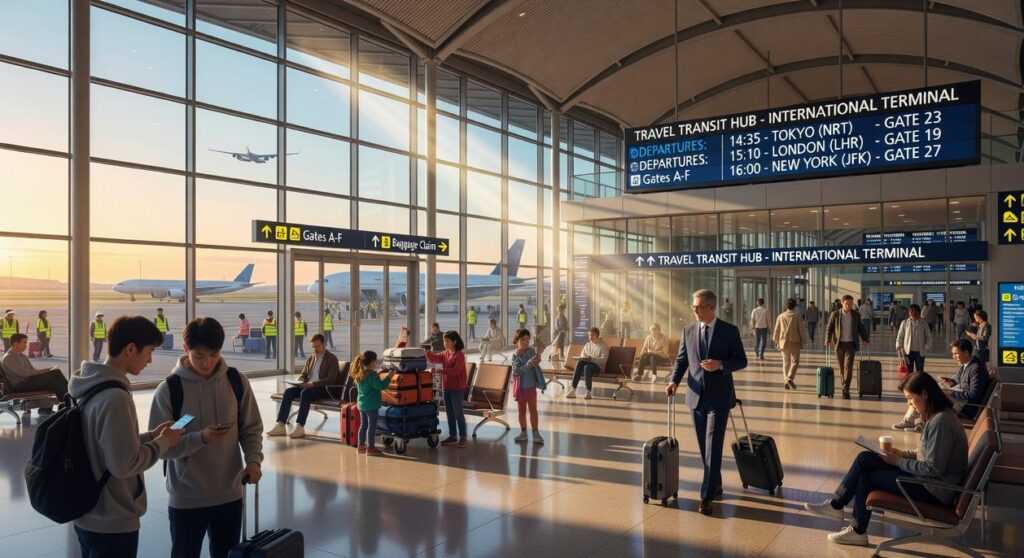
Flights can eat your budget first. Thankfully, budget airlines like AirAsia make hopping between countries affordable. Use multi-city search tools to compare routes in one go; this lets you spot cheaper combinations and avoid backtracking. The payoff? More destinations for the same money.
Next, consider overnight buses or trains. You’re sleeping while traveling, that’s transportation and a hotel rolled into one, which cuts your lodging costs to zero. Some travelers hate them, and for good reason; they’re genuinely uncomfortable. But earplugs help. A decent operator helps more. That brutal morning when you arrive exhausted? It usually doesn’t matter once you see what you’ve saved.
For city travel, ride-sharing apps like Grab cut through the haggling and scam risks with upfront pricing. Renting a motorbike? That’s pure freedom, but you’ll need a valid license, insurance coverage, and honestly, a willingness to actually wear the helmet every single time. One’s convenient and predictable. The other requires you to own the responsibility. Both work.
For deeper planning, see our southeast asia travel guide and hidden gems in europe beyond the popular capitals.
Packing smart and staying safe: your on-the-ground essentials
Packing smart isn’t about cramming more into your suitcase, it’s about bringing what actually makes travel easier.
The Ultimate Packing List (Essentials People Forget):
- Universal power adapter (lets you plug into different outlet types worldwide)
- Portable power bank for long transit days
- Solid toiletries (less liquid restrictions, less mess)
- Quick-dry towel for beaches, hostels, or surprise rain
A universal adapter simply means one device that fits multiple plug shapes, no guessing at the airport electronics shop.
What NOT to pack
Leave the heavy denim and puffy jackets at home. Lightweight pieces work in almost every destination, and basics cost next to nothing if you pick them up locally. You’re just going to lug around extra weight and clothes sitting unworn in your bag for weeks.
Health & safety basics
Hydrate often, use mosquito repellent in tropical climates, and stay alert to common tourist scams like distraction techniques.
Connectivity tip
Buying a local SIM card at the airport gives you affordable mobile data instantly—usually far more reliable than spotty public Wi-Fi. Many southeast asia travel guide resources recommend this for smooth navigation and ride-hailing access.
Booking your stay shouldn’t feel like gambling. Why do prices drop, then spike overnight? The real move is booking 2-4 weeks ahead. Close enough to catch genuine deals, far enough that you’re not picking through scraps. Set price alerts on your preferred sites. They work. Last-minute bookings can pay off if you’re lucky, but honestly, you’re rolling the dice on whatever inventory’s left by then, and it won’t be pretty. Want flexibility? That’ll cost you in the long run. The sweet spot remains those few weeks in the middle, where the math actually favors you.
Look beyond glossy photos. Scroll to the newest reviews. Are guests mentioning cleanliness or a sketchy location? Patterns matter more than five-star hype.
Finally, switch to map view. Is that “central” hotel actually miles away? Your southeast Asia travel guide won’t save you from a bad pin. Sound familiar?
That dream trip pinned on your board? It’s actually doable. Southeast Asia stays dirt cheap for long-haul travel, the World Tourism Organization data proves it. You’re looking at $30 to $100+ a day depending on how you travel. It’s not magic. It’s math. So pick a country. Sketch out what you’ll actually spend. Hunt for flights on midweek dates, which slash fares by up to 20% according to Google Flights. Skip the what-ifs and grab this southeast Asia travel guide instead, then lock in real numbers before you book.
| Style | Daily Budget |
| Backpacker | $30-$50 |
| Mid-range | $50-$80 |
| Comfort | $80-$120 |
Book one flight this week. Right now.
Plan your next southeast asia escape with confidence
You came here wanting clarity, inspiration, and real advice to make your Southeast Asia trip easier and more satisfying. Now you’ve got it. The booking strategies that actually work, the local knowledge that saves money and hassle, that’s the stuff that transforms a vague idea into something executable. Your uncertainty’s gone. What you’ve got instead is a plan you can actually run with, not just think about.
Traveling through this lively region can feel overwhelming. Too many destinations. Fluctuating hotel prices. Endless options. But a solid Southeast asia travel guide changes that, it helps you sidestep the costly mistakes, skip the tourist traps, and stretch your money further. You’ll actually experience more for less.
Time to actually plan this thing. Map out your route, compare accommodations side by side, and really weigh your options. Lock in deals before prices spike. You need trusted travel resources and solid booking strategies if you’re going to pull off better stays, sharper itineraries, and a trip that actually feels good instead of turning into a logistical nightmare halfway through. Do it now.
Thousands of travelers swear by expert tips to cut costs and travel smarter. The trick? Planning ahead and booking with confidence. Your Southeast Asia trip doesn’t have to be complicated, it just takes a little forethought to make the whole thing work without eating into your budget or your sanity.
 Richard Guarinolios adds depth and value to T Tweak Hotel through travel-focused content designed to inform, inspire, and simplify the planning experience. His work explores destination guides, traveler advice, and booking insights that help readers make better decisions before and during their trips. With a style that balances clarity, usefulness, and discovery, Richard helps shape T Tweak Hotel into a trusted source for modern travelers looking for practical and enjoyable travel experiences.