
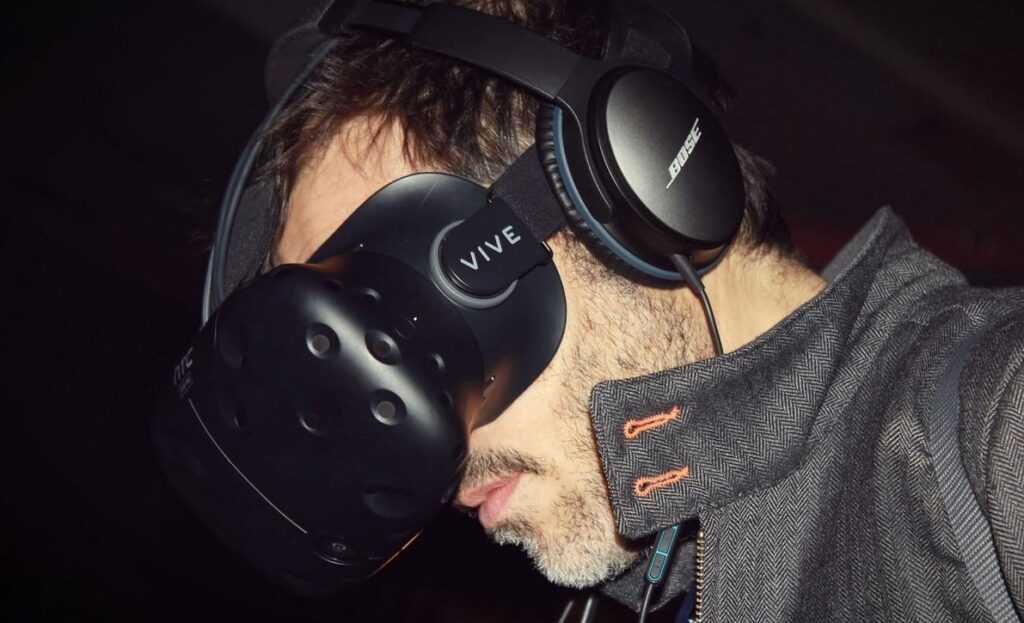
Travel has changed more in the past few years than in the previous two decades.
If you’ve ever felt frustrated juggling bookings, comparing endless options, or worrying about what might go wrong on your trip, you’re not alone. Travel planning’s still messy. Uncertainty. Missed opportunities. The friction’s real. But here’s what’s changing: travel technology is rapidly removing those pain points, and it’s happening faster than most people realize.
Travel tech is reshaping how we plan and experience trips. Smarter booking tools now learn your preferences, cutting through the noise to show you what actually matters. In-destination solutions handle the rest, real-time navigation, personalized recommendations, instant translation, turning logistics into background noise so you can focus on the trip itself. These innovations aren’t flashy. They solve real friction. Whether it’s getting a flight that fits your schedule, finding a restaurant that matches your taste, or knowing exactly which train to catch at 6 a.m., the best travel tech does its job without demanding attention, letting you spend less time on logistics and more time actually traveling.
I’ve spent years analyzing travel trends and testing new tools with groups of experienced travelers. Forget the hype. What actually works, that’s what matters, and I’ll show you how to use it. Most travel tech fails because people don’t know the real constraints: budget limits, spotty connectivity, the fact that you’re tired when you’re booking. The tools that survive aren’t the flashiest. They’re the ones that solve an actual problem on the ground.
The in-destination experience: hyper-personalization and immersive tech
As innovative technologies continue to reshape the travel landscape, savvy travelers can leverage these advancements to not only enhance their experiences but also uncover hidden gems, such as those valuable last-minute hotel deals you can discover in our article on finding them – for more details, check out our Secrets to Finding Last-Minute Hotel Deals.
Travelers today face a clear choice: standard convenience or fully connected immersion. Increasingly, they’re choosing the latter.
The connected hotel room: traditional stay vs smart stay
In a traditional hotel room, you’re fumbling for light switches and thermostat dials at 2 a.m., squinting in the dark. A connected room powered by IoT flips that script entirely. Your phone or voice assistant handles the temperature, lights, curtains, and streaming services without you getting out of bed. IoT doesn’t have to mean anything fancy, it’s just devices talking to each other over the internet. Hotels are betting big on it. According to Statista, the global smart hospitality market keeps growing as properties invest heavily in automation, chasing both guest comfort and lower energy bills. The math is simple: happy guests stay longer, and lower utility costs hit the bottom line.
Pro tip: Before booking, check if your hotel app supports pre-arrival room customization. Walking into a perfectly cooled room after a long-haul flight is a small luxury that feels major.
Contactless convenience: cash vs cash-free
Cash-based travel used to mean hunting for ATMs and dealing with currency exchanges. Not anymore. Mobile check-in, digital room keys, tap-to-pay, these aren’t futuristic. They’re just how things work in major cities now. Apple Pay and Google Pay acceptance has exploded globally, with Juniper Research documenting billions of contactless transactions annually. The upside? You breeze through subway turnstiles faster. Café lines move quicker. And that panic when your card gets declined at the counter? It’s basically gone, though it still happens, and it still stings.
Critics worry that cashless systems lock out some travelers or expose them to privacy risks, and they’re not wrong. But the logistics payoff is real: shorter lines, less chaos. Done well, they work especially hard in high-traffic spaces where bottlenecks kill the entire experience.
Augmented reality (ar) guides: static signs vs living history
Augmented Reality overlays digital elements onto the real world through your smartphone. Instead of reading a faded plaque at ancient ruins, AR apps display reconstructions, timelines, and animated guides directly on your screen. It’s the difference between imagining history and seeing it unfold—almost like stepping into a sci-fi film (minus the time machine).
Hyper-local experience platforms: tourist packages vs authentic access
Generic bus tours still exist. But hyper-local platforms now connect travelers with verified locals offering:
- Cooking classes in neighborhood kitchens
- Private walking tours beyond main squares
- Artisan workshops and cultural exchanges
Compared side-by-side, curated local experiences often deliver deeper cultural context and smaller group sizes.
For a broader look at how these travel technology innovations fit into the industry’s evolution, explore top travel trends shaping global adventures in 2026.
Immersive tech doesn’t replace travel. It refines it. The destination stays the same—but the way you experience it? That changes completely.
Upgrade your next adventure
Travel isn’t what it used to be, and honestly? That’s a good thing. You dream about a place. You book it. You get there, and then everything changes. Every single step of that journey is getting smarter now, sharper. Travel technology innovations are overhauling how we actually move, what we do when we arrive, how we even think about leaving. It’s not just the apps and algorithms anymore. It’s the friction disappearing between the idea and the reality.
Trip planning used to be a headache. Long booking processes. Confusing itineraries, missed local gems, the whole mess. Now? Seamless, intelligent, personalized solutions replace that friction entirely. They’re built around what you actually want, not around what some algorithm thinks you should see. What matters is they listen to you, not the other way around.
Travel tech puts you in control. You’re saving time, cutting costs, ditching the noise that usually bogs down trip planning. Instead of settling for what some algorithm thinks you should want, you get experiences that actually match how you travel, what you care about, and where you’d genuinely go.
Next time you’re planning a trip, try something different. Pick one new tech tool and actually use it, an AI planner, a digital city guide, whatever catches your eye. You’d be shocked what’s actually out there doing the work for you.
 Richard Guarinolios adds depth and value to T Tweak Hotel through travel-focused content designed to inform, inspire, and simplify the planning experience. His work explores destination guides, traveler advice, and booking insights that help readers make better decisions before and during their trips. With a style that balances clarity, usefulness, and discovery, Richard helps shape T Tweak Hotel into a trusted source for modern travelers looking for practical and enjoyable travel experiences.