If you’ve ever come home from a trip feeling like you saw everything but tasted nothing, you’re not alone.
Too many travelers stick to familiar dishes or end up in overpriced, tourist-packed restaurants that barely reflect the true flavors of a destination. The result? Missed opportunities to connect with a place through its most authentic expression: its food.
This culinary tourism guide cuts through the noise. It’s built on years of actual food chasing, travel where you’re eating, not just collecting Instagram shots. You get concrete, tested strategies for finding real regional cuisine. The street stalls where locals line up. The neighborhood spots that don’t show up online. The places that’ll demolish your preconceptions about what a region’s food actually is. This isn’t a sightseeing itinerary dressed up as food writing; it’s the real thing.
Inside you’ll find a practical framework for researching and discovering local food culture, so your next trip doesn’t just happen to you, it becomes genuinely delicious and memorable. This isn’t a checklist. It’s a way to eat like you actually belong somewhere.
On-the-ground strategy: how to eat like a local
As you embark on your culinary tourism journey, don’t miss the fascinating stories and unique flavors found in Hausizius, where each dish tells a tale of culture and tradition.
The market is your menu
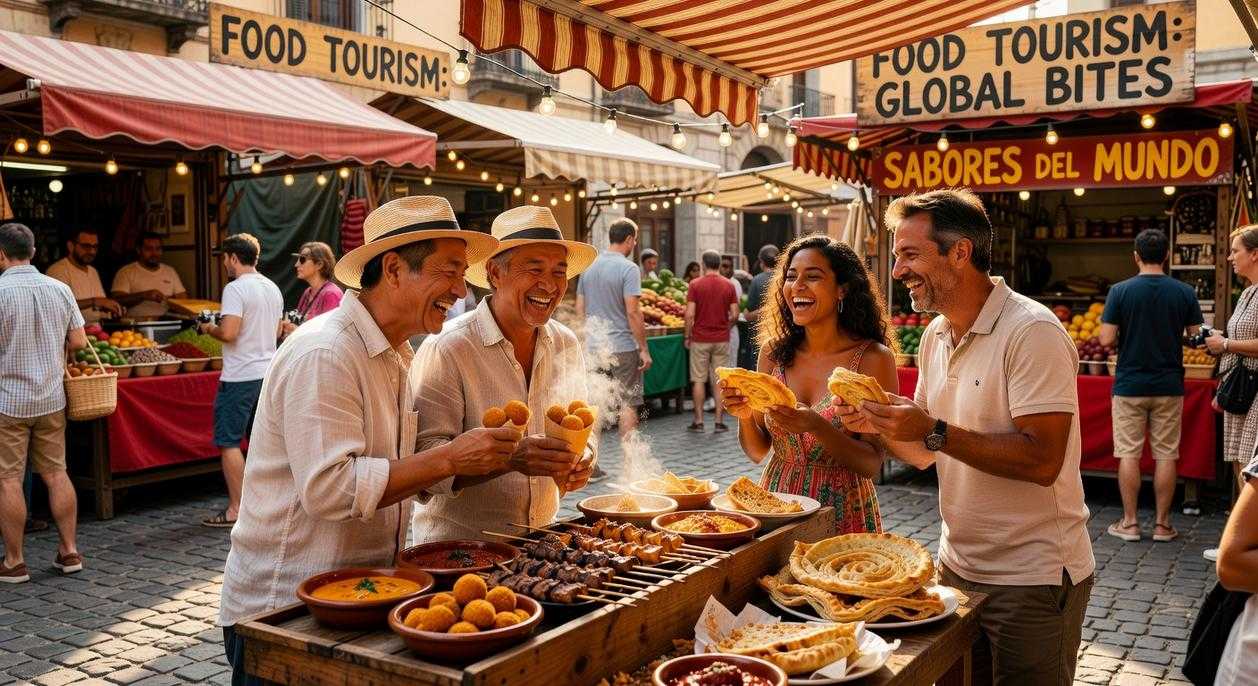
Skip the souvenir shops, head straight to a local food market instead. These places, where vendors hawk fresh produce, meats, and ready-to-eat dishes, show you what people actually eat. What’s piled high and moving fast? That’s what’s in season.
If you see locals lining up for grilled sardines or stuffing bright-green herbs into plastic bags, that’s worth watching. You’re getting a real taste of the region’s flavor profile, way better than any glossy brochure could tell you. Anthony Bourdain knew this. On Parts Unknown, he showed that a place’s soul often lives between the produce stalls.
Follow the crowd (the right one)
Next, follow the line, but make sure it’s the right crowd. A queue of camera-wielding tourists isn’t the same as office workers on lunch break. Look for:
- Spots packed during local lunch hours
- Menus in the native language only
- Simple interiors with fast table turnover
- Minimal signage, maximum aroma
Some argue that viral restaurants on TikTok must be worth it. Sometimes, sure. But hype doesn’t equal heritage. A bustling, unassuming eatery off the main square often delivers more authenticity (and better prices). According to the World Tourism Organization, culinary experiences are a primary motivator for travel, but “authenticity” ranks higher than trendiness among surveyed travelers (UNWTO, 2019).
Ask for a real recommendation
Then, widen your circle. Don’t just ask a concierge, ask a taxi driver. Ask the bookstore clerk. Ask whoever’s pouring your coffee. Try: “Where do you go for a great, simple meal?” Simple’s the keyword here. You’re not after foam and tweezers. You want comfort. You want pride.
Embrace the “ugly delicious”
Finally, embrace what some call “ugly delicious”, food that may not photograph well but tastes unforgettable. Street carts. Plastic stools. Handwritten menus. If it looks like a movie set from Chef, you’re probably in the right place.
Some travelers want polished dining rooms and menus they recognize. Nothing wrong with that. But if you’re trying to eat like a local, stop worrying about how the place looks.
Pro tip: carry small bills for street vendors, it makes transactions smoother and more welcome.
In the end, a good culinary tourism guide can point you in the right direction. Still, your best compass is curiosity—and a willingness to trust your nose.
Your journey to authentic flavors starts now
Travel should taste as good as it looks.
You set out to learn how to explore regional cuisine with confidence. Now you’ve got the complete toolkit to turn every meal into a meaningful part of your journey. Not just a stop between attractions, actually part of the story.
Forget the overpriced tourist traps. Forget the generic menus that could be anywhere, New York, Bangkok, Barcelona, doesn’t matter. Those disappointing meals? They’re done.
You’ve got to mix smart research with genuine curiosity if you want to actually taste what a place is about. This Culinary tourism guide shows you where the local favorites hide, which gems stay off the tourist maps, and what dishes carry real history. Hunt for them. They matter.
Start planning your next trip’s must-eat list today, and let your taste buds do the navigating. Honestly, every bite you’ll remember. Those meals stick with you long after you’ve forgotten the hotel name or which museum you ducked into for an hour.
 Founded by Ness Spanosellis, T Tweak Hotel is a travel-focused platform created for curious explorers who want more than just a place to stay. Blending travel trend highlights, destination guides, hotel booking hacks, and practical traveler tips, the brand helps readers discover smarter ways to plan, book, and enjoy their journeys. With a focus on insight, convenience, and inspiration, T Tweak Hotel serves as a helpful resource for travelers seeking memorable stays, better decisions, and a more confident travel experience.