

Finding the best hotel deal doesn’t have to be a guessing game. You’re searching for ways to compare rates, uncover hidden discounts, book with confidence. This guide covers all of it. Prices shift constantly, and travelers overpay all the time. Usually because they’re not looking in the right places. Hotel price comparison tools? They actually work. They cut through the noise.
Here’s the thing: these tools work differently than most people think, fake discounts are everywhere, and timing your booking right can save hundreds. We analyzed pricing patterns across the major platforms, tracked what actual travelers paid, and booked trips ourselves to verify this stuff actually works before we wrote about it.
Planning a weekend escape or heading out for weeks? This guide cuts through the noise, showing you how to actually compare options, book at the right time, and confirm you’re paying fair rates. Because here’s the thing: that confidence actually changes how you travel.
Finding the best hotel deal? It’s like searching for a needle in a digital haystack. Tabs multiply. Prices shift. Every site screams “lowest rate guaranteed.” It’s overwhelming, frustrating, and somehow eats up hours. But this guide fixes it. Booking’s really just like grocery shopping, you wouldn’t grab the first carton of milk without checking the shelf, right? Same principle. You’ll learn a simple workflow and a curated toolkit of hotel price comparison tools that work together to sniff out actual deals. Here’s what we’re covering:
- Search aggregators.
- Cross-check with the hotel’s direct site.
- Set alerts and recheck before booking.
Guaranteed.
Why hotel prices fluctuate so wildly across platforms
You check a hotel rate in the morning. By lunch, it’s $40 higher. On another site, it’s somehow cheaper. Frustrating, right? Rate parity’s supposed to be an agreement where hotels promise the same public rate across all platforms, in theory, that keeps pricing consistent. It’s more myth than rule.
Online Travel Agencies like Booking.com and Expedia take a cut, usually 15-25% per booking (Skift Research). Hotels can’t absorb that kind of margin hit. So they raise base rates, launch private deals, or push traffic toward specific platforms through marketing agreements. Prices shift. Sometimes dramatically. It’s a ripple effect that touches everything from your search results to what rate you’re actually offered, and most travelers never see the mechanics behind it.
Then there’s dynamic pricing. Rates shift based on demand, when you book, and what you’re browsing, yes, cookies actually matter here. Airlines use it. Hotels use it. You’re seeing what the algorithm decides you should see, and honestly, you’ve got no way to know if the price you’re shown tomorrow will be the same as today’s.
Finally, member-only rates add another twist. By hiding discounts behind logins, brands quietly sidestep rate parity.
That’s why even hotel price comparison tools don’t always show one clear winner.
Your arsenal: the best hotel price comparison engines
When I’m hunting for the best rate, I almost never book a room without checking at least one of the major meta-search platforms. These hotel price comparison tools scan hundreds of booking sites simultaneously, which beats the hell out of opening 27 tabs and running soul-crushing research sessions yourself. Just results, no friction. And it actually works.
Look, plenty of people disagree they’re necessary. Some travelers swear by loyalty programs or booking direct, and sometimes they’re absolutely right. But here’s the thing: casting a wide net first actually works because you can always circle back and book direct if the price matches. It rarely does. You get real information that way—actual competing quotes to work from.
Google hotels
Google Hotels is built right into Google Search and Maps, pulling live rates directly from online travel agencies and hotel websites. It’s a meta-search engine that aggregates results from multiple sources. But here’s the thing: it doesn’t actually process the booking. That part happens on the hotel or OTA site itself.
Best for: Visual map-based browsing, price tracking over time, and pure ease of use.
I’m a big fan of the calendar view. Watching nightly rates shift over weeks feels like reading stock charts, honestly, minus all the stress. Google Travel Help lets users track prices and get alerts when rates change (Google Travel Help, 2024).
Limitation: It occasionally misses smaller boutique booking platforms. If you love quirky independents, you may need a second search elsewhere.
Kayak
How it works: Kayak compares a vast inventory of sites and offers deep filtering—think amenities, property type, brand, and even vibe.
Best for: Power users who want granular control.
I appreciate the filtering power, though critics make a fair point about the cluttered interface, ads and sponsored placements everywhere. Sometimes it does feel like Times Square at night. But if you’re detail-oriented? The customization more than makes up for it.
Limitation: Sponsored results can blur the line between best value and best advertiser.
Trivago
How it works: Trivago emphasizes comparing prices for the exact same room across multiple OTAs and hotel chains.
Best for: Spotting obscure deals and wide price variations.
I’ve spotted $40 differences for the exact same room. That’s reason enough to look. Phocuswright’s 2023 research confirms it: rate disparities across OTAs are still everywhere, particularly in competitive markets where booking sites undercut each other constantly.
Limitation: Results can overwhelm. Always double-check the final booking site before paying.
| Tool | Best For | Main Drawback |
|---|---|---|
| Google Hotels | Map view & price tracking |
Misses some boutique sources |
| Kayak | Advanced filters & customization | Ad-heavy interface |
| Trivago | Rate comparison for same room | Overwhelming result lists |
No single engine’s perfect. But together, they form a smart first line of defense against overpaying.
The pro-traveler’s secret: going beyond the search engines
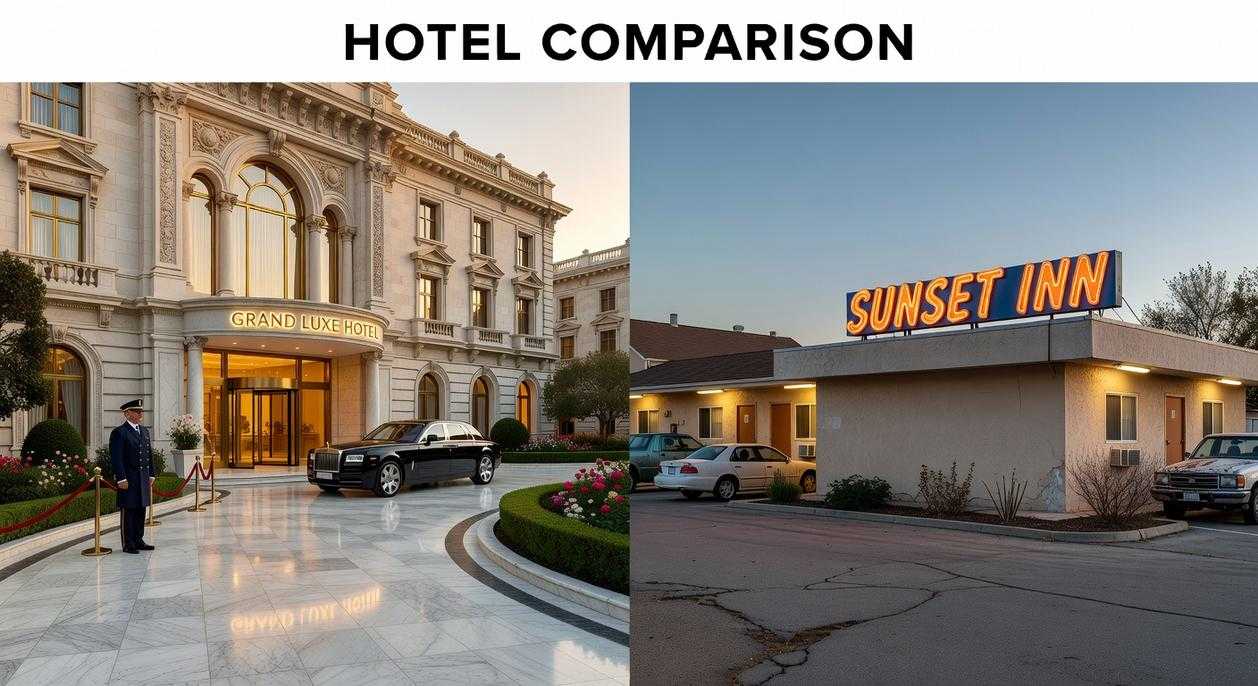
Search engines are a solid starting point, but don’t stop there. After you’ve used hotel price comparison tools to find the lowest rate, visit the hotel’s official website directly. Why? Many properties sweeten the deal for direct bookings, free breakfast, flexible cancellation, room upgrades, loyalty points, sometimes all of them at once. According to Skift Research, hotels increasingly push direct-booking incentives to reduce commission fees (Skift, 2023). The room itself might be priced identically, but the perks aren’t. Free breakfast alone can save you $30 to $50 a night, depending on the property and location.
Now, some argue aggregators already show the lowest possible price. Sometimes that’s true. But here’s the thing, rates don’t always reflect actual value. A $10 difference evaporates fast if direct booking throws in daily breakfast.
Do a quick spot-check on major OTAs like Booking.com or Agoda. They’ve hidden app-only or member-exclusive discounts that don’t surface anywhere else, and honestly, most people skip this step entirely. One final sweep takes minutes. It’s where the real savings hide.
Unlocking deeper discounts: advanced price comparison tactics
“I thought I was getting the best deal,” my friend said, “until the front desk told me there was a cheaper member rate.” That’s when casual travelers turn into deal hunters.
First move? Loyalty programs. Sign up for free tiers like Hilton Honors or Marriott Bonvoy. A loyalty program is a rewards system where brands offer exclusive pricing and perks to members. Many chains advertise lower “member-only” rates that even hotel price comparison tools don’t display. (Yes, it feels like a secret menu at In-N-Out.)
Next, try the VPN trick. A Virtual Private Network lets you browse as if you’re in another country, switch your location to Mexico or the UK, and sometimes the same room drops by 10-20%. I heard this from a frequent traveler who swears by it.
Finally:
- Use incognito mode
- Clear cookies regularly
Some argue dynamic pricing isn’t influenced by repeat searches. Expedia has denied systematic cookie-based price hikes (Skift). Still, why risk it?
Your smart booking strategy: a final checklist
You wanted one thing: the best hotel price without the browser-tab chaos. Too many open windows, too many “deals,” no clear winner. That ends now.
The fix is simple: a layered plan. Cast a wide net first, then zoom in. It’s like drafting players before you sign the contract.
Here’s your move:
- Start with Google Hotels to spot top contenders.
- Cross-check the leading rate using hotel price comparison tools like Kayak or Trivago.
- Do a final sweep on the hotel’s official site before booking.
Clarity beats guesswork every time.
Ready to book smarter and travel better
You came here wondering how to plan smarter trips, cut costs, and dodge those inflated room rates. Now you can catch travel trends before they explode. Pick destinations that actually work for you. Use hotel price comparison tools to land real deals instead of overpaying. And you don’t have to spend hours researching anymore—that’s the whole point.
The truth is, overpaying for hotels stinks. You’re frustrated. It’s avoidable. With the right approach, and honestly, it’s not complicated, you can book with confidence, stretch your budget further, and actually enjoy more for less on every trip.
Time to act. Before you book, compare rates across hotel price comparison tools, check for hidden perks, and lock in the value you deserve. Thousands of savvy travelers already use these strategies to consistently secure better stays at better prices.
Don’t let another trip cost more than it should. Start comparing, start saving, and book your next hotel the smart way today.
 Thomass Langsabers brings a fresh and insightful voice to T Tweak Hotel, contributing content that helps travelers navigate the world with greater ease and confidence. With a strong focus on travel trends, destination highlights, and practical hotel booking strategies, Thomass creates engaging pieces that blend inspiration with useful guidance. His approach supports readers who want both exciting travel ideas and smart tips that make every journey more seamless and rewarding.