
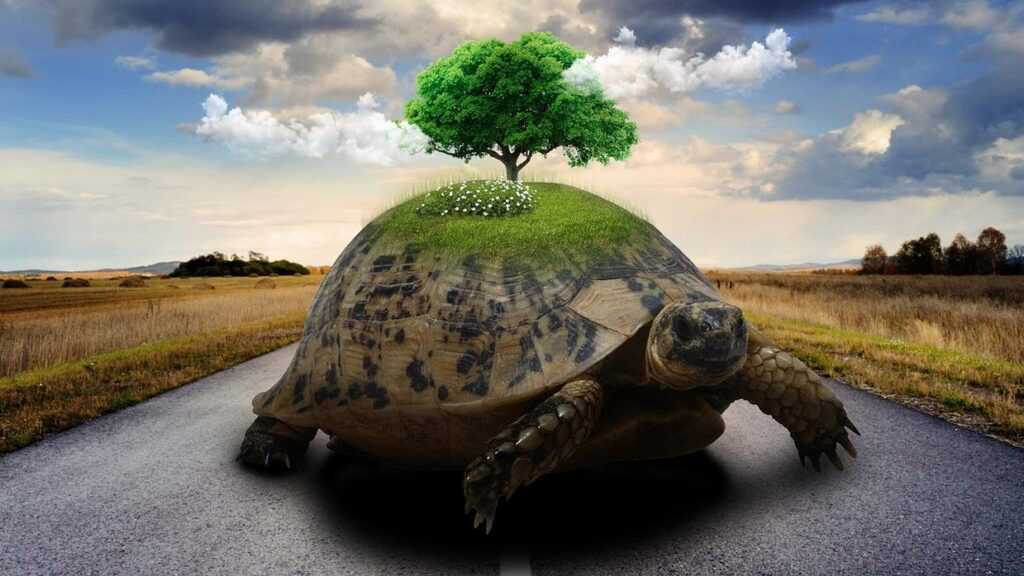
Travel is changing. More travelers are stepping away from rushed itineraries and checklist sightseeing in favor of deeper, more meaningful experiences. If you’ve been searching for a more intentional way to explore the world, this guide to the slow tourism movement will show you exactly what that means—and how to embrace it.
Instead of racing between landmarks, slow tourism encourages longer stays, local immersion, and thoughtful travel choices that benefit both visitors and communities. But how do you actually plan a trip this way? Where should you go? And how can you avoid common mistakes that turn “slow” travel into just another trend?
In this article, you’ll find practical tips, destination ideas, and smart booking strategies designed to help you travel better—not just farther. Our insights are based on extensive travel research, current industry trends, and real-world hospitality expertise, ensuring you get advice that’s both inspiring and actionable.
Ever come home from vacation needing another one? Your camera is full, your schedule was packed, yet you’re exhausted. That’s itinerary-driven travel: racing between landmarks, dining where algorithms say, collecting moments like Pokémon cards. Fun, but frantic.
If you’re craving depth over dopamine, try slow travel. Rooted in the slow tourism movement, it favors fewer places, longer stays, and local rhythms. Critics argue you’ll miss the “must-sees.” Maybe. But you’ll gain presence, connection, and rest.
Do this:
- Choose one neighborhood and explore it deeply.
- Book nights minimum per stop.
- Schedule unscripted afternoons.
Pro tip: leave buffer time.
Defining the Slow Travel Mindset: It’s More Than Just Pace
Slow travel is a philosophy of connection—where cobblestone streets glisten after rain and the scent of fresh bread drifts from corner bakeries. It invites you to linger, to hear the low hum of morning markets and feel the rhythm of a neighborhood waking up. Critics argue that if you are not racing through landmarks, you are missing out (the classic checklist mentality). Yet slow travel insists that depth beats volume.
It is not mass tourism—no five cities in five days blur. It is one café, one park bench, one conversation that lingers like strong espresso.
Core pillars include:
- Community—sharing meals, stories, songs.
- Sustainability—treading lightly.
- Mindfulness—tasting, listening, breathing deeply.
Together, these shape the slow tourism movement into something richer, warmer, and more human.
We trade itineraries for intimacy, proving sometimes less is more.
The Dual Benefits: Recharging Yourself and a Destination
Travel doesn’t have to feel like a competitive sport. (No medals are awarded for visiting 12 landmarks before lunch.) When you slow down, your nervous system finally gets the memo that it’s allowed to relax. Stress levels drop, sleep improves, and you start noticing details—a baker kneading dough at sunrise, a street musician practicing between sets. That’s deeper cultural understanding in action, not just another filtered photo.
Choosing one neighborhood over five cities creates authentic experiences and lasting memories. You learn names, not just street signs. You find “your” café. You return home restored instead of needing a vacation from your vacation.
For destinations, this mindset matters just as much. The slow tourism movement naturally reduces carbon footprints by cutting down on constant transit—fewer short-haul flights, more meaningful stays. According to the UN World Tourism Organization, tourism accounts for about 8% of global carbon emissions, much of it from transport. Staying longer in one place helps chip away at that.
It also channels money directly into local economies—family-run guesthouses, neighborhood markets, independent guides. That support helps prevent overtourism, which strains infrastructure and frustrates residents (nobody enjoys a sidewalk traffic jam). Everyone wins when travel feels human again.
How to Actually Travel Slowly: 5 Practical Steps
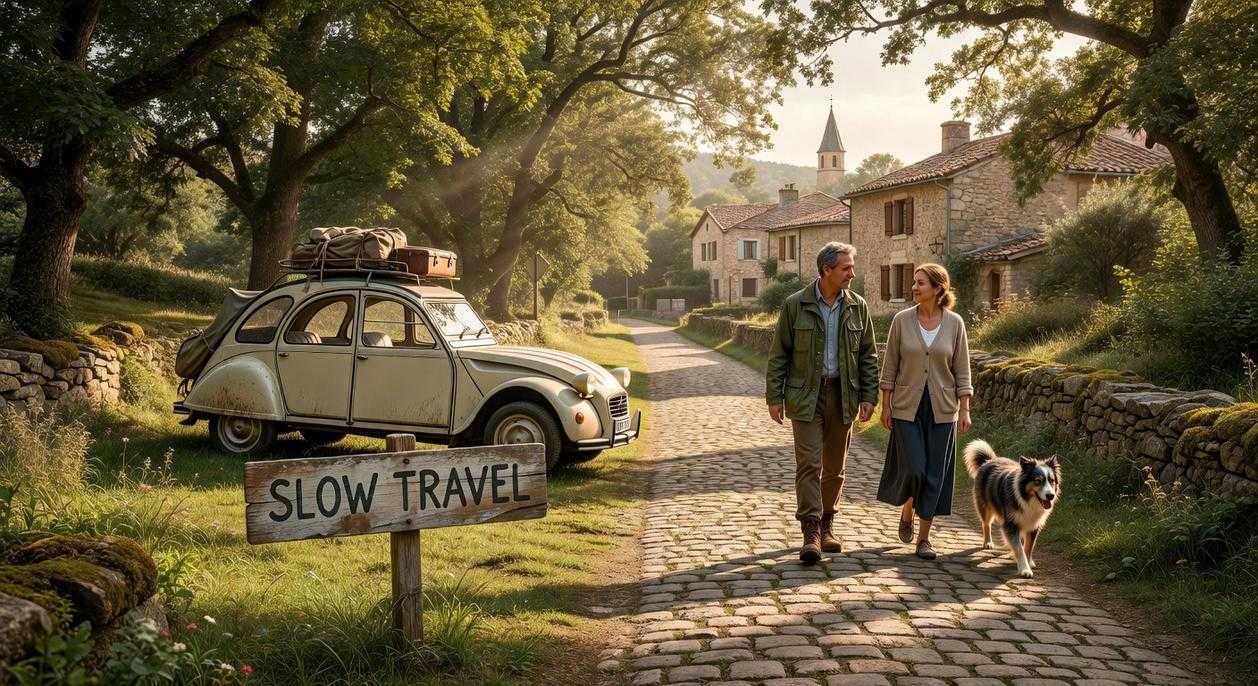
Traveling slowly isn’t about moving at a snail’s pace; it’s about savoring the journey like a long, unrushed meal instead of grabbing fast food between flights. While some argue that quick trips let you “see more,” that checklist mentality often turns destinations into trophies rather than experiences. Here’s how to shift gears.
1. Rethink Your Transport
First, choose trains, buses, or even bicycles over short-haul flights when possible. Trains, in particular, turn travel into a moving balcony—fields, towns, and coastlines unfolding like scenes in a film. According to the European Environment Agency, rail travel generally emits far fewer greenhouse gases per passenger kilometer than air travel. Slower transport isn’t wasted time; it’s part of the story.
2. Stay Longer in One Place: The One-Base Strategy
Next, unpack once and stay put. Think of it like steeping tea—the longer you sit, the richer the flavor. Critics say this limits variety. In reality, depth often beats breadth; you notice rhythms, favorite cafés, even the way light changes at dusk.
3. The Accommodation Hack
Then, choose apartments, guesthouses, or boutique hotels. These spaces act like bridges rather than bubbles. Self-catering with local produce connects you to daily life (and your wallet will thank you). Pro tip: shop at neighborhood markets early for the freshest picks.
4. Ditch the Strict Itinerary
Plan one must-do per day. Leave space for wandering. Think of your schedule as a pencil sketch, not permanent ink. Spontaneity often becomes the highlight reel.
5. Engage with the Local Scene
Finally, participate. Visit a library, take a cooking class, learn a few phrases. The slow tourism movement emphasizes connection over consumption. If you’re curious about broader shifts shaping mindful exploration, explore sustainable travel trends every explorer should know: https://ttweakhotel.com.co/sustainable-travel-trends-every-explorer-should-know/.
In the end, slow travel isn’t about doing less. It’s about experiencing more—just at a human pace.
Inspiration: Destinations That Embrace a Slower Pace*
The Countryside Escape invites you to trade schedules for seasons. In Tuscany, Italy, agriturismos—working farm stays regulated by regional law—offer guests homegrown olive oil, vineyard tours, and cooking classes using ingredients harvested that morning. The Loire Valley in France pairs château views with local goat cheeses and cycling routes along the Loire à Vélo trail. The benefit? You taste a place, not just see it.
The Urban Immersion works best in cities built for wandering. Kyoto’s Gion district rewards early-morning walks past wooden machiya townhouses and centuries-old tea houses, while Lisbon’s Alfama neighborhood layers tiled façades, fado music, and miradouros (scenic viewpoints) within a compact grid. Exploring one district deeply reduces transit stress and reveals nuance.
For a Nature Retreat, Costa Rica protects over 25% of its land as national parks (World Bank), making rainforest hikes and wildlife spotting the main event. It’s the slow tourism movement in action—presence over playlists (yes, even if you’re tempted).
Travel should leave you changed, not just checked in. The goal isn’t to collect passport stamps like souvenirs; it’s to build connection and meaning. Yet too many trips become rushed blur—airport, selfie, next stop. That emptiness lingers longer than jet lag.
Instead, try one practice from the slow tourism movement: stay longer in one neighborhood, talk to a local, or skip a “top ten” list. Even one shift can transform how you remember a place. So, as you plan your next getaway, choose a single tip and commit to it. Your future self will thank you. For deeper, richer memories.
Make Your Next Trip More Meaningful
You came here looking for smarter ways to travel—and now you know how embracing the slow tourism movement can transform rushed vacations into deeper, more rewarding experiences. Instead of cramming highlights into a tight schedule, you can savor destinations, connect with local culture, and return home feeling refreshed rather than exhausted.
The real frustration with modern travel is burnout—overpacked itineraries, crowded attractions, and trips that feel like checklists. Slowing down solves that. It gives you richer memories, fewer regrets, and better value for your time and money.
Now it’s your move. Start planning your next getaway with intention—choose fewer stops, book longer stays, and prioritize authentic local experiences. Thousands of travelers rely on our expert destination guides, hotel booking hacks, and trend insights to plan stress-free trips. Explore our latest travel resources today and turn your next vacation into the meaningful escape you’ve been craving.
 Richard Guarinolios adds depth and value to T Tweak Hotel through travel-focused content designed to inform, inspire, and simplify the planning experience. His work explores destination guides, traveler advice, and booking insights that help readers make better decisions before and during their trips. With a style that balances clarity, usefulness, and discovery, Richard helps shape T Tweak Hotel into a trusted source for modern travelers looking for practical and enjoyable travel experiences.