
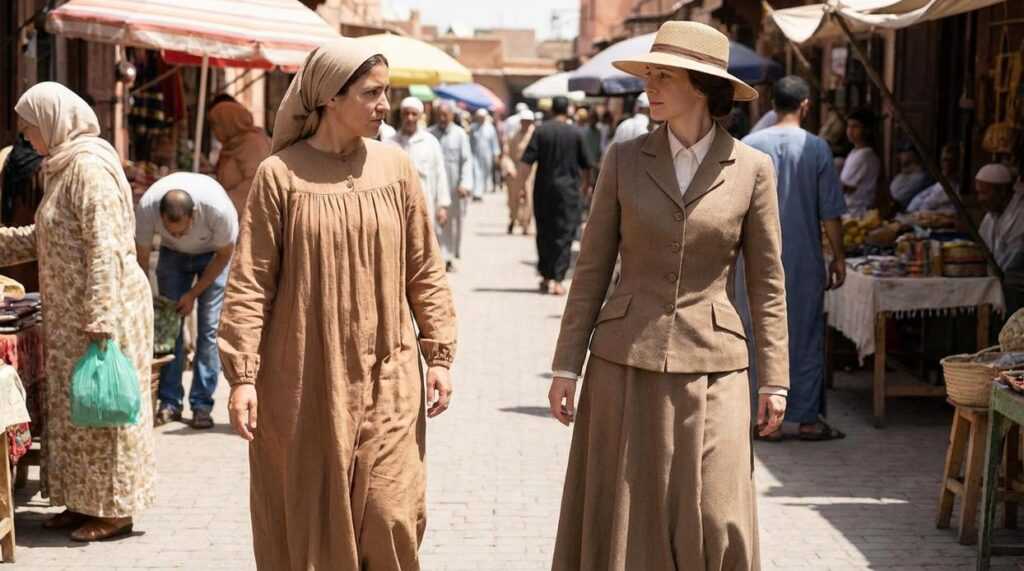
Planning a trip to the Middle East comes with incredible rewards—rich history, breathtaking architecture, and deeply rooted traditions. But if you’re searching for clear guidance on middle east cultural etiquette, you likely want to make sure you show respect, avoid common missteps, and feel confident in every interaction.
This guide is designed to give you exactly that. We break down essential customs, social norms, dress expectations, dining manners, and communication tips so you can navigate each destination thoughtfully and respectfully. Whether you’re visiting for business or leisure, understanding cultural nuances can transform your experience from simply enjoyable to truly meaningful.
To ensure accuracy, this article draws on regional travel experts, official tourism guidance, and firsthand traveler insights. You’ll find practical, easy-to-follow advice that reflects real-world expectations—not outdated stereotypes. By the end, you’ll know what to do, what to avoid, and how to engage with confidence throughout your journey.
Greetings, Dining, and Daily Conduct
Traveling through the Middle East without understanding key customs is like arriving at a formal dinner in flip-flops (technically possible, socially risky). This guide to middle east cultural etiquette helps you choose wisely between common A vs. B scenarios.
Greeting A: A firm handshake with steady eye contact.
Greeting B: Waiting for the other person to initiate, especially across genders. In more conservative areas, B shows greater respect.
Dining A: Eating immediately.
Dining B: Waiting for the host’s cue. B signals patience and appreciation.
Dress A: Casual and revealing.
Dress B: Modest and context-aware. When in doubt, choose B—it communicates cultural awareness instantly.
First Impressions: Greetings, Handshakes, and Hospitality
First impressions matter everywhere—but in many Middle Eastern countries, they carry particular weight. A warm, respectful greeting sets the tone for everything that follows. Start with “As-salamu alaykum” (Peace be upon you). Even as a visitor, making the effort signals cultural awareness. The typical response is “Wa alaykum as-salam.” (Think of it as the universal icebreaker.)
Navigating Handshakes with Confidence
Next, approach handshakes thoughtfully. In mixed-gender settings, pause and allow a woman to extend her hand first. If she doesn’t, simply place your hand over your heart, nod, and smile. This small adjustment prevents awkward moments and shows respect. Always use your right hand for shaking hands or passing items—this is known as the “Right-Hand Rule,” a long-standing cultural norm.
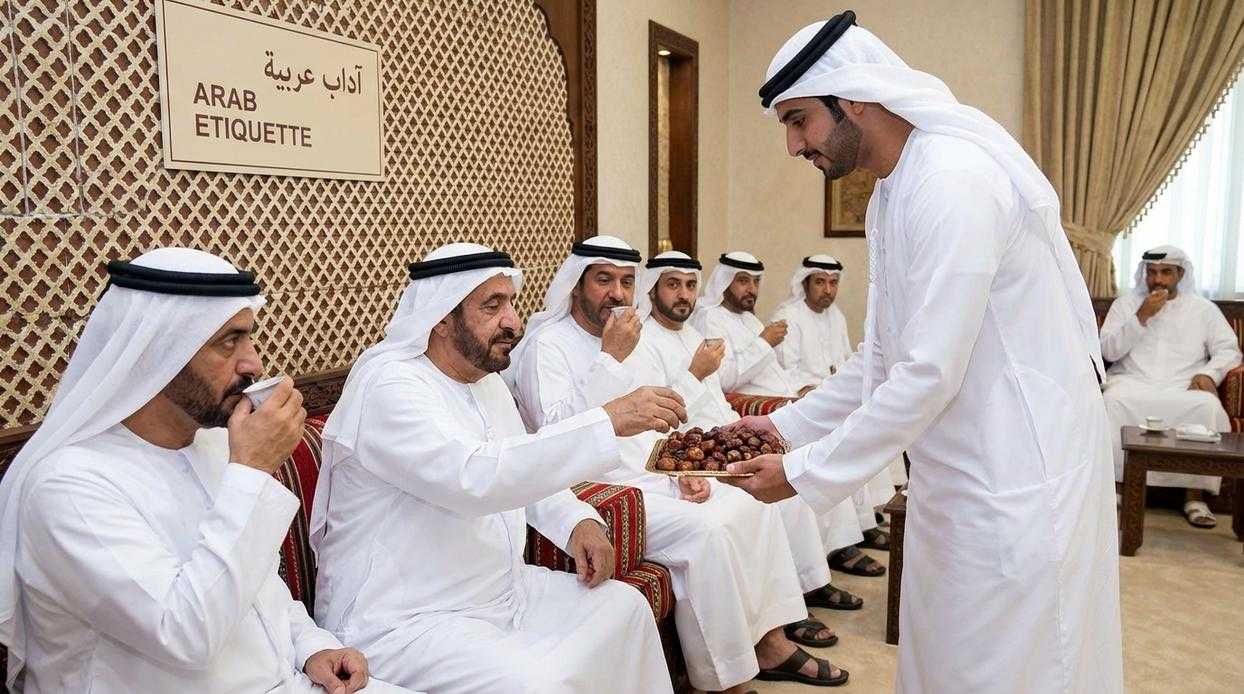
Hospitality is equally important. If you’re offered Arabic coffee or tea, accept it—even if you only take a sip. Refusing outright can seem dismissive. When finished, gently shake the cup to indicate you’ve had enough.
Pro tip: Observe locals before acting. When in doubt, mirror the host’s behavior.
Understanding middle east cultural etiquette isn’t about perfection—it’s about intention. A little awareness goes a long way toward turning a brief greeting into a lasting connection.
Dressing with Respect: A Guide to Modesty and Public Conduct
When visiting the region, dressing appropriately isn’t about restriction—it’s about awareness. Modesty simply means choosing clothing that minimizes revealing cuts and draws less attention in public spaces. Think polished, breathable, and respectful (you’ll likely be more comfortable, too).
What to Wear (and Why It Matters)
For women, aim to cover shoulders, cleavage, and knees. Maxi dresses, linen trousers, and lightweight blouses are practical staples. Loose-fitting fabrics help with the heat and align with local expectations. Keep a light scarf in your bag for mosque visits; in some religious sites, covering your hair is required. A quick wrap over your shoulders can also turn a sleeveless outfit into an appropriate one in seconds.
For men, long trousers or tailored chinos work well in cities, malls, and restaurants. Shorts are generally fine at beach resorts but less so elsewhere. T-shirts are acceptable, but skip sleeveless tops outside gym settings.
If you’re unsure, observe locals or hotel staff—when in doubt, go slightly more conservative. Respectful dress signals cultural awareness and often results in warmer interactions.
Public behavior matters just as much. Avoid public displays of affection, and during Ramadan, refrain from eating, drinking, or smoking in public during daylight hours. These small adjustments reflect middle east cultural etiquette and demonstrate consideration.
Pro tip: Pack versatile layers. A lightweight cardigan or scarf can instantly adapt your outfit for religious sites, traditional neighborhoods, or government buildings without requiring a full wardrobe change.
At the Table: Navigating Dining and Home Invitations
Being invited into someone’s home isn’t just polite small talk—it’s trust. In many cultures, especially when you consider middle east cultural etiquette, hospitality is a point of PRIDE. A small gift like pastries shows gratitude (and yes, store-bought is perfectly fine—this isn’t a baking competition).
You’ve probably heard you must always bring wine. Not necessarily. In more conservative households, alcohol can be inappropriate. When in doubt, skip it. Thoughtfulness beats assumptions every time.
Shoes off? Almost always. If you see a neat row by the door, that’s your cue (no one wants city streets on their carpets). During dinner, try a bit of everything. Compliments matter. Accepting seconds signals enjoyment—but here’s a contrarian take: if you’re full, it’s okay to politely decline. Overeating to prove appreciation helps no one.
In restaurants, tipping 10–15% is standard in tourist areas when service isn’t included. Some argue tipping everywhere encourages wage gaps. Fair point. Still, in practice, modest tips remain customary.
Quick reminders:
- WAIT to be seated.
- Observe before acting.
- Match the host’s pace.
Pro tip: discreetly check the bill for a service charge before adding extra.
For broader cultural prep, read a first timers guide to exploring southeast asia.
Communication across cultures isn’t just about vocabulary; it’s about reading the room. In many Middle Eastern settings, a polite “yes” may signal “maybe,” while a direct “no” can feel abrupt. That nuance protects relationships and preserves dignity. Context is everything: tone, pauses, and body language often carry more weight than the words themselves.
The concept of “saving face” means feedback should be offered privately, never in front of a group. Public correction can damage trust (and once trust slips, rebuilding it takes time). Asking about someone’s health and family shows goodwill, but begin broadly before mentioning specific relatives. Avoid asking a man direct questions about his wife or female relatives.
These aren’t just social rules; they’re practical travel skills. When you use middle east cultural etiquette thoughtfully, conversations flow, partnerships strengthen, and misunderstandings shrink. Pro tip: if unsure, mirror the formality and pace of your host. Respect earns lasting goodwill.
Traveling well in the Middle East isn’t about memorizing every rule; it’s about practicing middle east cultural etiquette with sincerity. In places like Dubai’s Jumeirah mosques or Muscat’s Mutrah Souq, modest dress and a warm greeting—“As-salamu alaykum”—go a long way. Elders are greeted first. Tea is rarely refused (think less Anthony Bourdain bravado, more gracious guest).
Remember:
• RESPECT
• Patience
Hospitality here is LEGENDARY. Even in bustling Amman cafés or Doha’s Corniche, locals notice effort over perfection. Arrive curious, listen closely, and you’ll leave with stories richer than any itinerary. Kindness often opens doors no guidebook can. Truly transformative.
Plan Your Middle East Journey with Confidence
You came here looking for clarity on middle east cultural etiquette, and now you have a practical understanding of how to dress appropriately, greet respectfully, navigate social customs, and avoid unintentional offense. Knowing these cultural nuances isn’t just helpful—it’s essential for creating meaningful connections and traveling with confidence.
Many travelers worry about saying or doing the wrong thing. That uncertainty can turn excitement into stress. But with the right preparation, you can replace anxiety with assurance and focus on enjoying the rich history, hospitality, and beauty the region offers.
Now it’s time to put this knowledge into action. Plan thoughtfully, double-check local customs before you go, and approach every interaction with respect and curiosity.
If you want stress-free travel planning, insider booking hacks, and trusted destination advice, explore our expert travel resources today. We’re a top-rated source for smart travelers who want smoother trips and fewer surprises. Start planning now and travel the Middle East the right way.
 Thomass Langsabers brings a fresh and insightful voice to T Tweak Hotel, contributing content that helps travelers navigate the world with greater ease and confidence. With a strong focus on travel trends, destination highlights, and practical hotel booking strategies, Thomass creates engaging pieces that blend inspiration with useful guidance. His approach supports readers who want both exciting travel ideas and smart tips that make every journey more seamless and rewarding.