
If you’re hunting South America’s most striking natural wonders, a plain list won’t cut it. You need to know which places actually deserve your time, how to experience them properly, and what sticks with you after you’ve left. Thunderous waterfalls. Otherworldly salt flats. Lush rainforests and dramatic mountain peaks that’ll genuinely take your breath away. South America’s landscapes are wildly different from one another, and they demand that kind of specificity.
We’ve put together a guide to the continent’s most stunning natural wonders with practical travel advice that actually helps you plan better. You’ll find the best times to visit, how to dodge the crowds, what’ll really make each destination worth your time. This comes from thorough destination research, current travel data, and real traveler feedback, so you’re getting information that’s accurate and up-to-date, not generic warmed-over advice that applies everywhere and nowhere.
Building a bucket list? Planning your next trip? South America’s got natural landmarks that’ll blow your mind. This article cuts through the noise to show you the most spectacular spots worth visiting, plus how to actually experience them without drowning in tourist traps and overcrowded tour groups. You’ll find real routes, real timing, and real insider tips here.
The Andes spike with ice and the Amazon sprawls in emerald, South America feels like its own planet. But the sheer size paralyzes most travelers. Where do you even start? This guide strips away the overwhelm. It focuses on the natural wonders that actually matter: the ones that deliver serious impact without eating your time or budget. You’ll learn where sunrise hits salt flats and turns them into mirrors, which waterfalls roar the loudest, and why the biodiversity here has no match (WWF data backs it up). The result: clearer priorities, better itineraries, trips that don’t feel rushed. You’re not planning less or experiencing more in some neat formula. You’re just traveling with real confidence from day one.
The spine of the continent: wonders of the andes
Stretching over 7,000 kilometers from Venezuela to Patagonia, the Andes are the world’s longest continental mountain range. Think of them as Earth’s vertebrae—tectonic plates colliding over millions of years to create altiplano (high plateau) landscapes, snowcapped peaks, and volcano chains that still rumble beneath the surface. Some argue the Himalayas are more dramatic. Taller? Yes. But the Andes win on sheer geographic diversity (and fewer mountaineering permits required).
1. Salar de uyuni, bolivia
At 3,656 meters above sea level, Salar de Uyuni feels like another planet. When the rains come, January through March, give or take, a thin sheet of water transforms the salt crust into something surreal: a mirror so perfect that sky and earth become indistinguishable, the horizon literally erased. It’s disorienting. In the dry season, hexagonal salt patterns stretch endlessly across the flat landscape, interrupted only by islands like Incahuasi, where giant cacti rise like sentinels guarding some ancient, forgotten place.
Traveler Tip: Want surreal photos? Hit the wet season. The logistics get messy though. Your 4×4 will earn every mile. Dry season’s the opposite: you’re looking at easier access, clearer routes across the flats, way more predictable conditions. If you’re going, book your Uyuni-based 4×4 tours early. Seriously early. Carnaval time? Forget about it unless you’ve already locked something in weeks ahead.
2. The galápagos islands, ecuador
Volcanic hotspots created the Galápagos, and that geological accident became something remarkable. Blue-footed boobies, marine iguanas, giant tortoises, they evolved here in near-total isolation from human interference, developing traits you won’t find anywhere else on the planet. Darwin’s 1835 visit changed everything. His observations didn’t just fill a notebook; they upended how we understand life itself. The archipelago’s protected marine reserve remains one of Earth’s most pristine ecosystems, though the isolation that shaped these creatures isn’t quite what it once was.
Booking Hack: Last-minute cruise deals pop up in Puerto Ayora, but peak-season cabins sell out fast. For specific itineraries, reserve early. Among south america natural wonders, few feel this untouched.
The lungs of the planet: immersed in the amazon rainforest
The first time I woke to that low hum of the Amazon River, mist curling above the water like something out of Jurassic Park, I got it. This wasn’t just a jungle. It’s a river basin ecosystem, a vast network of waterways and forests functioning together as one living system. Roughly 6.7 million square kilometers (WWF). The Amazon regulates global climate and shelters about 10% of the world’s known biodiversity (WWF). You’re looking at something that breathes.
Staying at a jungle lodge near Iquitos, peru, I traded city noise for:
- Early-morning river cruises past pink river dolphins
- Piranha fishing (yes, they really have teeth)
- Night safaris spotting glowing caiman eyes
- Guided hikes to learn how strangler figs and medicinal plants sustain the forest
Some argue the Amazon is “just trees and humidity.” I get it, on paper, it sounds repetitive. But immersion changes everything. You don’t just see wildlife; you hear howler monkeys at dawn and feel the pulse of one of the greatest South America natural wonders.
Traveler Tip: Go with an eco-conscious operator that’s certified for sustainable tourism. Responsible lodges actually support conservation and Indigenous communities, that’s backed by UNEP. Bring strong insect repellent. Pack lightweight, long-sleeved clothing too.
Before any global adventure, brushing up on cultural etiquette tips for visiting the middle east is equally wise.
The edge of the world: glaciers and peaks of patagonia

Patagonia, shared by Chile and Argentina, feels like the last page of the map, wind-swept plains, serrated peaks, glaciers that seem to breathe. It’s genuinely one of South America’s great natural wonders. Visit here and you’ll understand something about scale that no photo captures. The silence alone will reset you. (Your phone will feel very small here.) There’s nothing to manufacture, nothing to fake about a place this raw.
Torres del paine national park, chile
The granite spires of the Torres rise like nature’s skyscrapers, glowing pink at sunrise. Below them, turquoise lakes and golden grasslands frame two world-famous hiking routes: the W and the longer O circuits. What do you get for tackling these treks?
- Glacier views that unfold step by step
- Wildlife sightings, from guanacos to condors
- A deep sense of accomplishment that no treadmill can replicate
Booking Hack: Campsites and cozy mountain refugios need to be reserved 6-9 months ahead. Do it early, and you’ll actually get a spot instead of staring at “full” screens two weeks before departure. Last-minute scrambles wreck trips. That’s the hard truth.
Perito moreno glacier, argentina
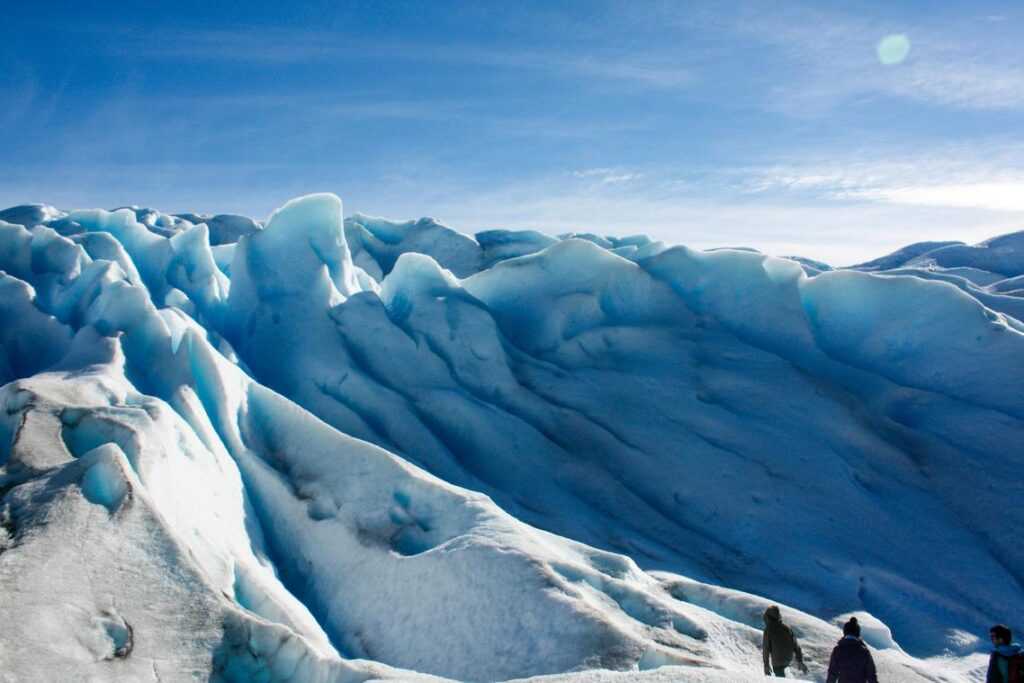
Across the border, Perito Moreno delivers instant awe. Most glaciers worldwide are shrinking, NASA’s been tracking it for years, but this one’s still advancing. Genuinely rare. You can watch from viewing platforms or take a boat tour close enough to feel the spray, and when massive ice chunks calve into the water, the sound hits you first (always first), then the sight catches up. It’s the kind of thing you don’t forget.
Traveler Tip: Visit in spring or autumn for fewer crowds, better prices, and vivid seasonal colors—more space, more savings, and better photos. (Win-win.)
Thundering cascades and martian landscapes: south america’s extremes
Few places showcase South America’s natural wonders quite like Iguazu Falls and the Atacama Desert. One traveler whispered, “It sounds like the Earth is breathing,” as mist rose from Iguazu’s 275 waterfalls straddling Brazil and Argentina. The Brazilian side offers sweeping boardwalks with panoramic views of the roaring system. Cross into Argentina and you’re suddenly in it, catwalks hover above the churning Devil’s Throat (bring a poncho; you’ll need it).
- Dedicate a full day to each side for the complete experience.
Then there’s Chile’s Atacama Desert, often called the driest place on Earth. NASA’s tested Mars rovers here, it’s that alien. “It feels otherworldly,” a guide told me, gesturing toward crimson valleys and steaming geysers. By night? The sky explodes with stars.
- Base yourself in San Pedro de Atacama and book valley and geyser tours.
Two extremes, one continent—raw power and surreal silence.
From the Andean peaks to the Amazon’s pulsing heart and Patagonia’s icy fields, you’ve glimpsed a continent of extremes. Too many routes, though? That paralysis hits different when you’re staring at a map at midnight. Some travelers swear you need to see everything at once. Don’t. Focusing on one region first makes planning realistic and actually rewarding, you’ll understand these landmarks and south america natural wonders better when you’re not stretched thin. The trick is matching destination with travel style. Pick the place that stirred you most, then research the best season, entry cities, and local transport. Your expedition starts there. Start small. Dream boldly if you want, but go now.
As travelers set out to explore South America’s breathtaking natural wonders, many are finding that these stunning landscapes also serve as inspiring backdrops for a new wave of digital nomad hotspots around the world – for more details, check out our The Rise of Digital Nomad Hotspots Around the World.
Experience the Best of south america natural wonders
You came here looking for clarity on how to explore the most striking landscapes on the continent, and now you know where to go, what to expect, and how to plan smarter. Towering Andean peaks. Thundering waterfalls. Untouched rainforests. South America’s natural wonders offer once-in-a-lifetime experiences, but you’ve got to plan them right.
The real problem isn’t picking where to go, it’s everything after. Overpriced bookings. Missing the spots nobody talks about. You lose hours to bad planning, and that’s where most trips fall apart. So here’s what changes: the right approach means you’ll see more, pay less, and you’re actually enjoying it instead of white-knuckling through another itinerary. No stress. Just the trip you meant to have.
Now it’s your move. Start mapping out your itinerary, lock in the best-value stays early, and use proven booking hacks to secure the views and experiences you truly want. Thousands of savvy travelers already plan smarter and travel better. Discover insider hotel tips, destination guides, and trend insights, they’ll turn your dream trip into a seamless adventure.
 Richard Guarinolios adds depth and value to T Tweak Hotel through travel-focused content designed to inform, inspire, and simplify the planning experience. His work explores destination guides, traveler advice, and booking insights that help readers make better decisions before and during their trips. With a style that balances clarity, usefulness, and discovery, Richard helps shape T Tweak Hotel into a trusted source for modern travelers looking for practical and enjoyable travel experiences.