

Travel has never been more accessible—or more impactful. But beyond the postcard-perfect photos lies a pressing question: how can we explore the world without harming the very places we love?
If you’re here, you’re likely looking for more than just destination tips. You want to understand how to travel in a way that supports sustainable tourism growth, protects local cultures, and preserves natural landscapes. Overtourism and careless choices can strain communities and degrade fragile environments. The good news? Thoughtful decisions can do the opposite.
This guide breaks down what responsible tourism really means and gives you practical, actionable steps to ensure your next trip strengthens local economies and safeguards destinations for generations to come. Built on years of analyzing global travel trends and observing how destinations thrive—or decline—under tourism pressure, this is your roadmap to traveling with purpose.
Beyond the Buzzword: Defining the Three Pillars of Responsible Tourism
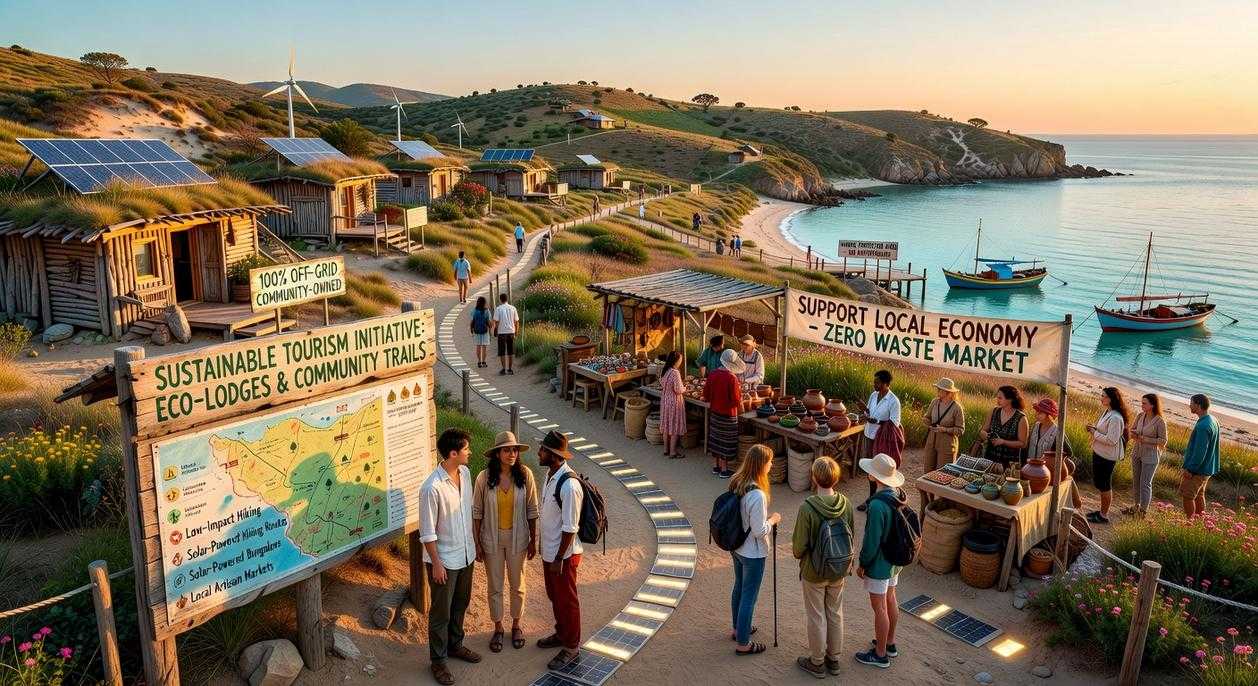
“Responsible tourism” gets tossed around a lot (usually next to infinity pools and filtered sunsets). But if it doesn’t shape how you book, pack, and spend, it’s just marketing.
I’m convinced it stands on THREE pillars:
| Pillar | What It Means | Real-World Example |
|—|—|—|
| Environmental Sustainability | Minimizing your footprint (the total impact you leave behind) | Reusing towels, carrying a refillable bottle, choosing trains over short-haul flights |
| Socio-Cultural Sustainability | Respecting living cultures, not treating them like theme parks | Learning basic phrases, dressing appropriately, asking before photos |
| Economic Sustainability | Ensuring your money stays local | Booking family-run hotels, hiring local guides, buying crafts directly from artisans |
Environmental sustainability includes waste reduction, water conservation, eco-friendly transport, and biodiversity protection (UNEP notes tourism accounts for ~8% of global emissions). SMALL CHOICES MATTER.
Socio-cultural sustainability protects traditions and heritage sites. Think of it as being a guest, not a critic (or worse, a colonizer with a camera).
Economic sustainability is the most overlooked. The UNWTO emphasizes local value chains as key to sustainable tourism growth. If your dollars leak to foreign corporations, the community gains little.
Avoiding “Greenwashing”
Greenwashing = fake eco-claims without proof. Look for third-party certifications, transparent impact reports, and specific policies—not vague words like “eco-conscious.” If a hotel brags about towel reuse but flies in imported bottled water, that’s a red flag.
Technology helps too—see how emerging tech innovations transforming the travel industry are improving transparency.
Pro tip: If sustainability isn’t detailed on a website, it probably isn’t detailed in practice.
Spotting the Signs: What a Thriving, Sustainable Destination Looks Like
Everyone claims to support “responsible travel.” But what does that actually look like on the ground?
A Vibrant Local Economy
Start with ownership. A thriving destination has a high concentration of locally owned businesses—cafés roasting regional beans, family-run guesthouses, artisans selling handmade goods (not mass-produced “local” souvenirs shipped from elsewhere).
An economic leakage rate—the percentage of tourism revenue leaving the local economy—should be low. According to the UN Environment Programme, in some destinations up to 80% of tourism income can leak out through foreign-owned operators. That’s a red flag.
If street markets are buzzing with residents (not just visitors clutching cameras like it’s a reality show finale), you’re likely seeing money circulate locally.
Pro tip: Ask vendors where their products are made. The answer tells you more than any tourism slogan.
Community Well-Being
Look beyond hotel lobbies. Are public parks clean because locals use them daily—or polished only near tourist zones? Thriving destinations prioritize livability, meaning tourism enhances daily life instead of displacing it.
When residents aren’t priced out of their own neighborhoods (a common issue in cities like Barcelona, per OECD housing data), you’re witnessing balanced development. Community-led festivals and accessible transit systems are strong indicators of sustainable tourism growth.
Protected Natural & Cultural Assets
A well-managed site has visitor caps, conservation fees, or timed entries. These aren’t inconveniences; they’re safeguards. Without them, overtourism degrades ecosystems and heritage sites (UNESCO has repeatedly warned about this risk).
Case Study: Slovenia’s Green Scheme
Slovenia certifies destinations based on environmental, economic, and social benchmarks. The result? Preserved alpine landscapes, empowered local businesses, and measurable sustainability metrics. It works because all three pillars—economy, community, conservation—are treated as interconnected, not optional extras.
 Founded by Ness Spanosellis, T Tweak Hotel is a travel-focused platform created for curious explorers who want more than just a place to stay. Blending travel trend highlights, destination guides, hotel booking hacks, and practical traveler tips, the brand helps readers discover smarter ways to plan, book, and enjoy their journeys. With a focus on insight, convenience, and inspiration, T Tweak Hotel serves as a helpful resource for travelers seeking memorable stays, better decisions, and a more confident travel experience.